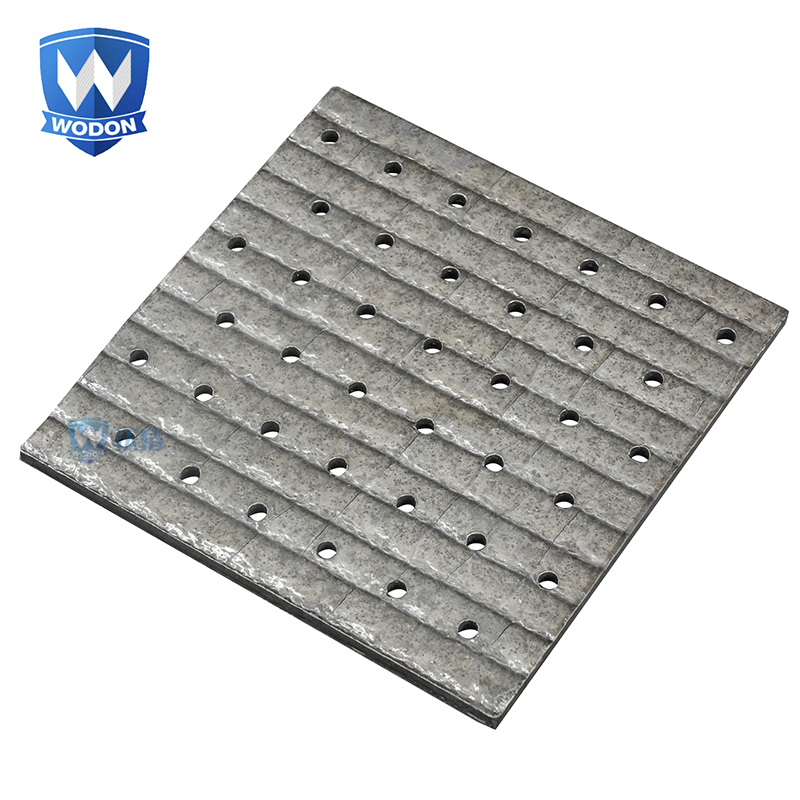
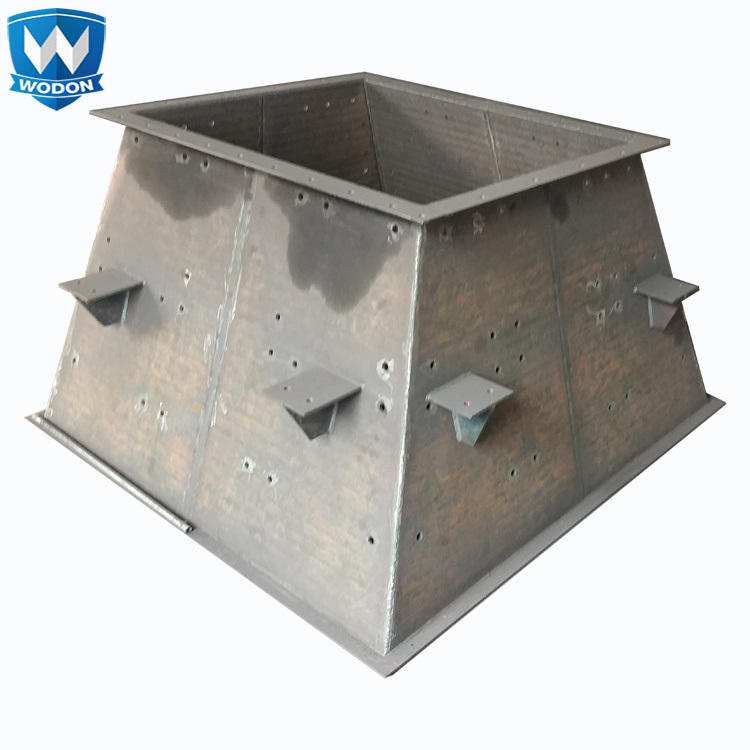
Wodon wear-resistant liners are crafted with meticulous precision and advanced technology to offer outstanding protection against abrasive and erosive forces in industrial settings. These liners have been engineered to optimize the performance and longevity of equipment in a diverse range of industries.
Key Features
- Exceptional Hardness and Wear Resistance: The liners possess a remarkable surface hardness, typically ranging from HRC 60 - 68, which enables them to resist severe abrasion, scratching, and gouging. This hardness is maintained even under continuous and heavy-duty wear conditions.
- High Impact Resistance: Engineered to absorb and dissipate impact energy effectively, the liners can endure sudden shocks and impacts without fracturing or deforming. This property is crucial in applications where heavy objects or materials are in constant motion and collision.
- Chemical Resistance: Resistant to a wide variety of corrosive substances, including acids, alkalis, and salts. This chemical resistance ensures that the liners maintain their integrity and performance in chemically aggressive environments, such as in chemical plants and mining operations with acidic or alkaline ores.
- Seamless Installation and Customizability: Available in various sizes and shapes, the liners can be customized to fit different equipment geometries precisely. Their design allows for easy and seamless installation, minimizing downtime during equipment maintenance or upgrade.
SPECIFICATION
- Surface Hardness: HRC 60 - 68
- Material Composition: High chromium carbide alloys with trace elements for enhanced performance
- Thickness Range: 5mm - 50mm
- Maximum Size: Up to 5000mm x 2000mm (length x width), with the option for custom sizing upon request
- Mining and Quarrying: Used in crushers, mills, chutes, and hoppers to protect against the abrasive action of rocks, ores, and minerals. Significantly reduces equipment wear and tear, increasing operational efficiency and reducing maintenance costs.
- Cement and Concrete: Applied in cement kilns, rotary kilns, and concrete mixers. Withstands the high-temperature and abrasive environment caused by cement clinker and aggregates, prolonging the service life of the equipment and ensuring consistent product quality.
- Power Generation: In coal-fired power plants, utilized in pulverizers, boilers, and ash handling systems. Resists the abrasion and erosion from coal particles and ash, maintaining the reliability and performance of the power generation process.
- Steel and Metallurgy: Installed in blast furnaces, converters, and rolling mills. Protects against the harsh conditions of molten metal, slag, and scale, enhancing the productivity and durability of steelmaking equipment.
- Standard Packaging: Liners are packaged in wooden crates or pallets, with each piece individually wrapped in protective plastic to prevent scratches and damage during transportation.
- Custom Packaging: For large or special orders, custom packaging solutions can be provided, including reinforced crates, vacuum packaging, or specific labeling and handling instructions to meet unique shipping requirements.
Q1: How does the wear-resistant liner compare to traditional lining materials?
A1: Wodon wear-resistant liners outperform traditional materials in terms of hardness, wear resistance, impact resistance, and chemical resistance. They offer longer service life and lower maintenance costs, making them a more cost-effective solution in the long run.
Q2: Can the liners be installed on existing equipment?
A2: Yes, the liners can be easily installed on most existing equipment. Their customizability and seamless installation design allow for quick and efficient retrofit, minimizing downtime and disruption to operations.
Q3: What is the expected lifespan of the wear-resistant liner?
A3: The lifespan depends on the specific application and operating conditions. However, under normal industrial conditions, the liners can last 2 - 5 times longer than traditional lining materials.
Q4: Are there any specific installation requirements or guidelines?
A4: Our technical team provides detailed installation instructions and guidelines with each order. Generally, proper surface preparation and correct fastening methods are essential to ensure optimal performance and longevity of the liners.
Q5: Can the liners be recycled or reused?
A4: While the liners are designed for long-term use, at the end of their service life, they can be recycled or repurposed depending on their condition and the available recycling infrastructure.
For inquiries or assistance, contact our team at [ contact information].

 Service Hotline: